
When the pandemic hit, DITO's thesis was put to its sharpest test: could an open platform, open standards and an existing clinical community deliver a new clinical application at emergency speed? The answer was ten days.
Ten days in March
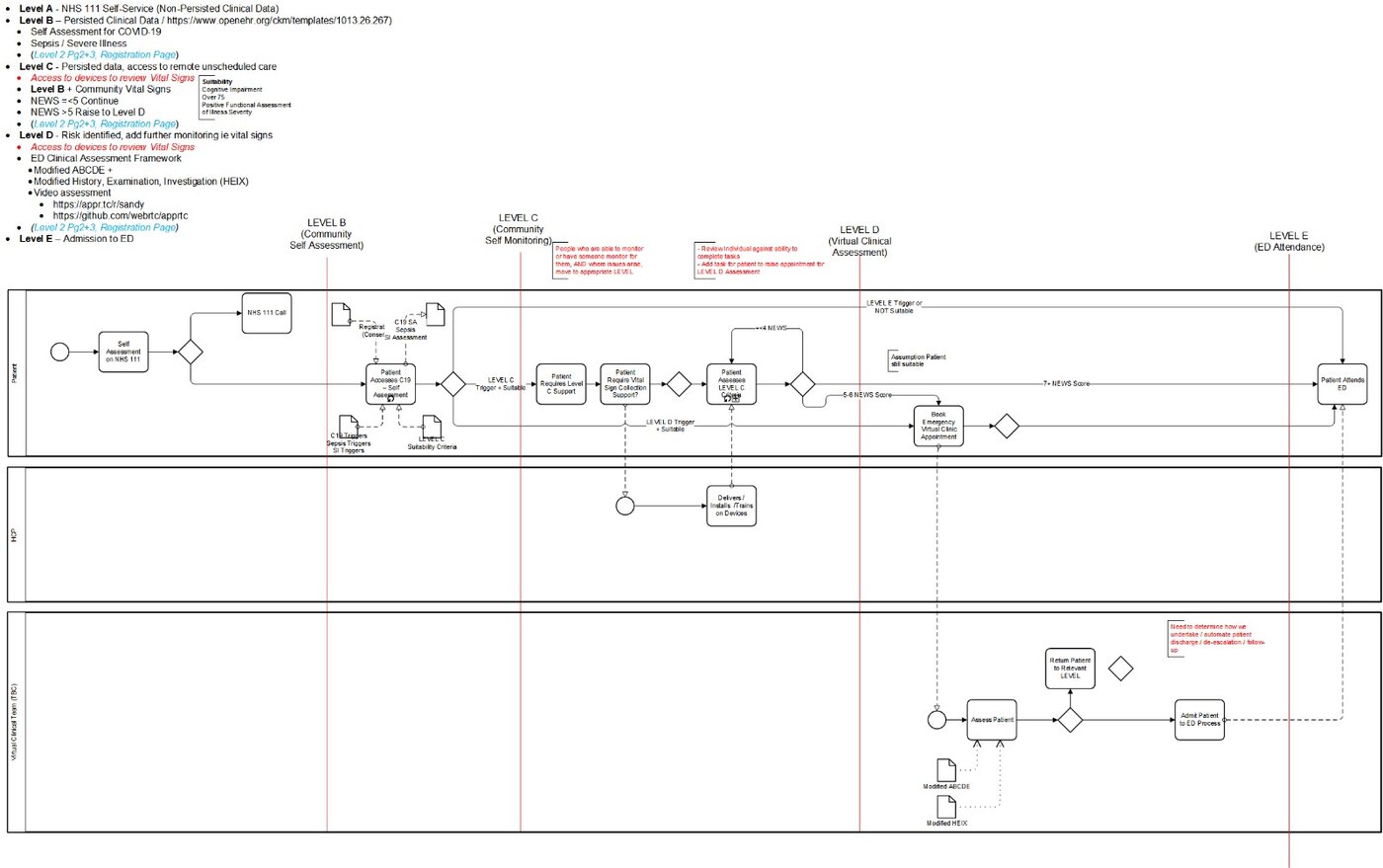
The design sprint began voluntarily at the pandemic's onset. On 14 March 2020 the team sketched a co-assessment workflow; UX version 0.1 followed on 21 March, v0.2 on 23 March and v0.3 on 24 March - three full UX iterations in ten days from the first sketch. That speed was the DITO dividend: the Open eREACT platform, the openEHR architecture and the clinical relationships already existed.
Structured data, not another app
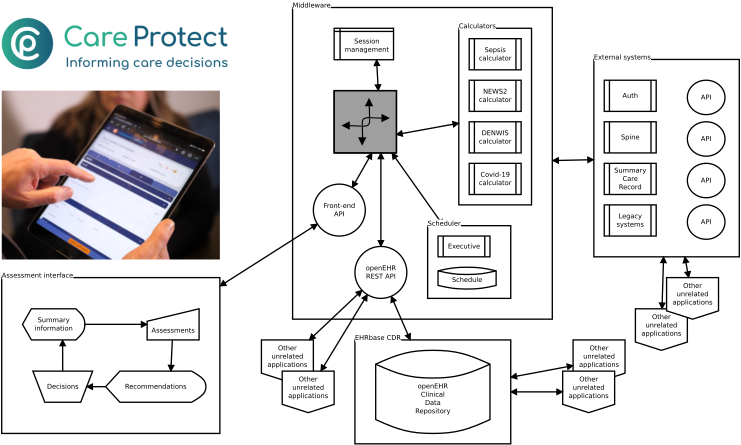
The concept was co-assessment with structured data: COVID screening records captured as openEHR structured data - using the openEHR COVID archetypes ratified in June 2020 - rather than another siloed app. Any front-end feeds one reusable clinical data repository, aimed at care homes, workplaces and self/co-assessment: "a shift left in acute care to support surge control".
Funded to deliver
Innovate UK backed the concept as project 61399 - "Co-assessment with structured data for COVID-19 management", under the competition Business-led innovation in response to global disruption. Phase 1 ran from 1 June to 31 August 2020; by September 2020 a working care-home screening application existed. An Innovate UK "Extension for Impact" carried the work to February 2021, adding Sepsis, DENWIS and NEWS2 functionality.
What it became
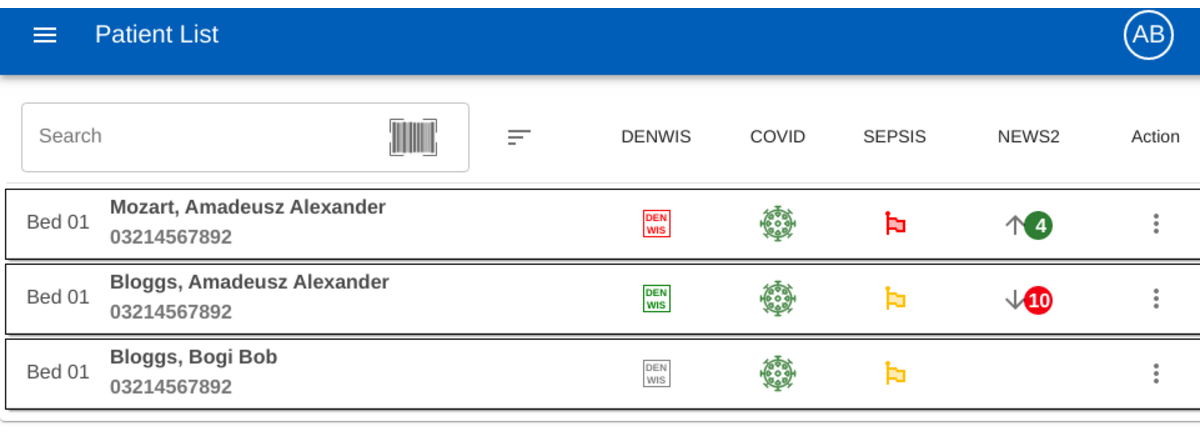
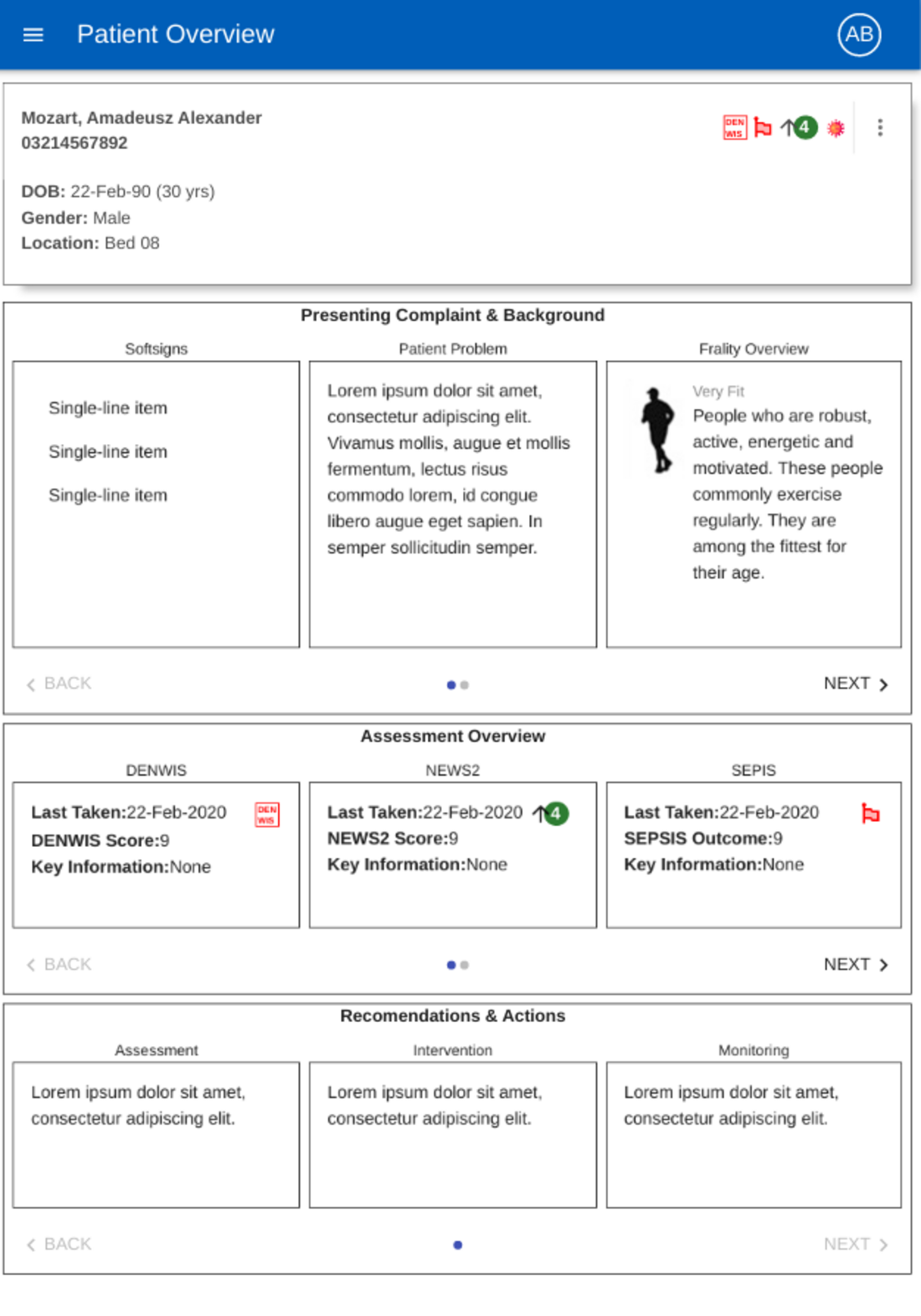
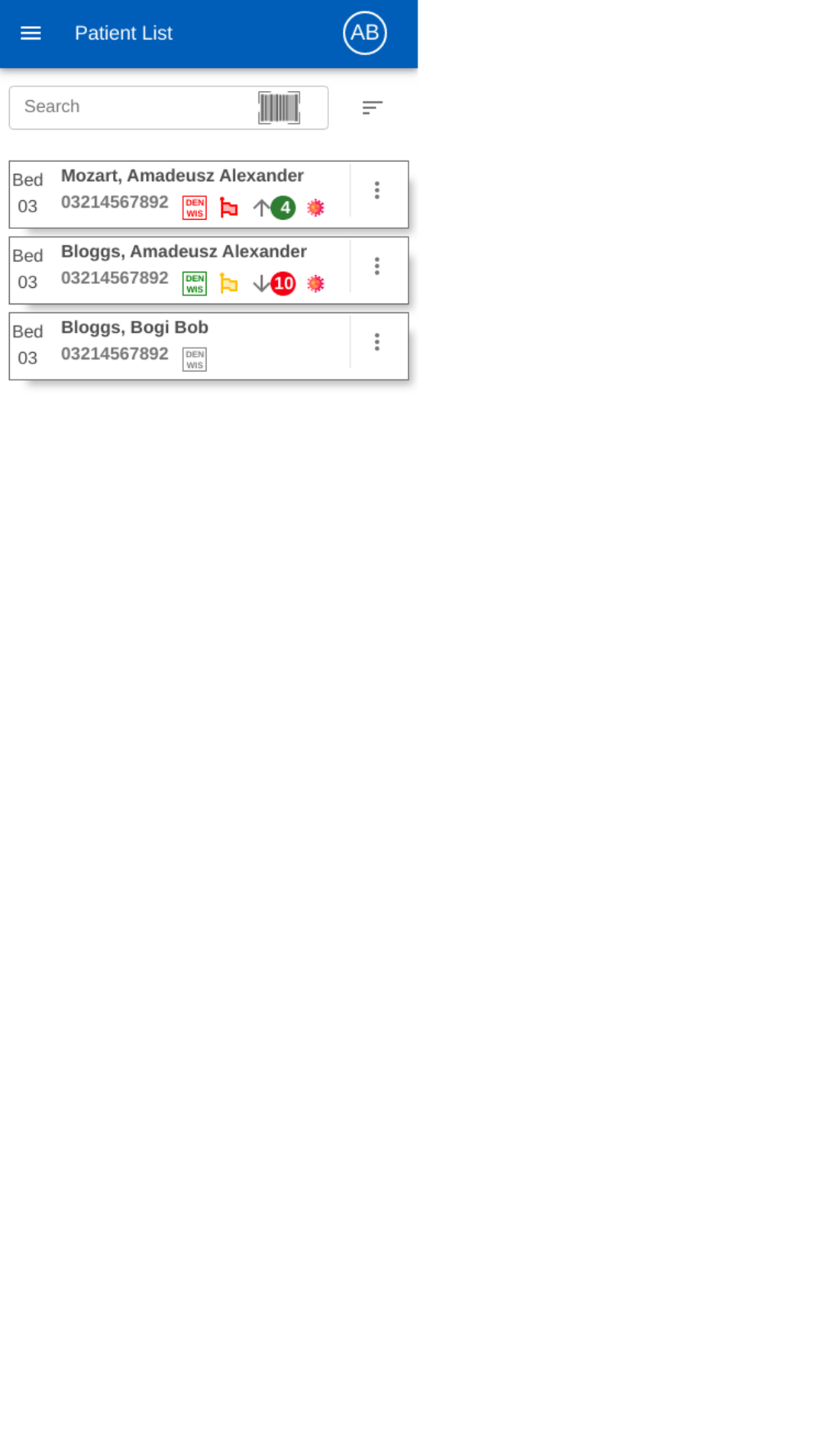
The application itself - a full prototype built on openEHR clinical models, with NEWS2, sepsis and DENWIS assessment - has its own page with screenshots. It was published open source through the Apperta Foundation, and the product carried the Care Protect identity - whose productisation successor is Care Precision, in the product legacy.

- The COVID-19 screening interface - the application in detail.
- COVID-19 screening interface - source code (Apperta Foundation)
- Project overview deck, March 2021 (PDF)
- The full COVID-19 co-assessment document will be published here shortly - another example of what DITO enabled.
DITO (project 27536) made this possible; the COVID response (project 61399) proved it. The story continues in the product legacy.